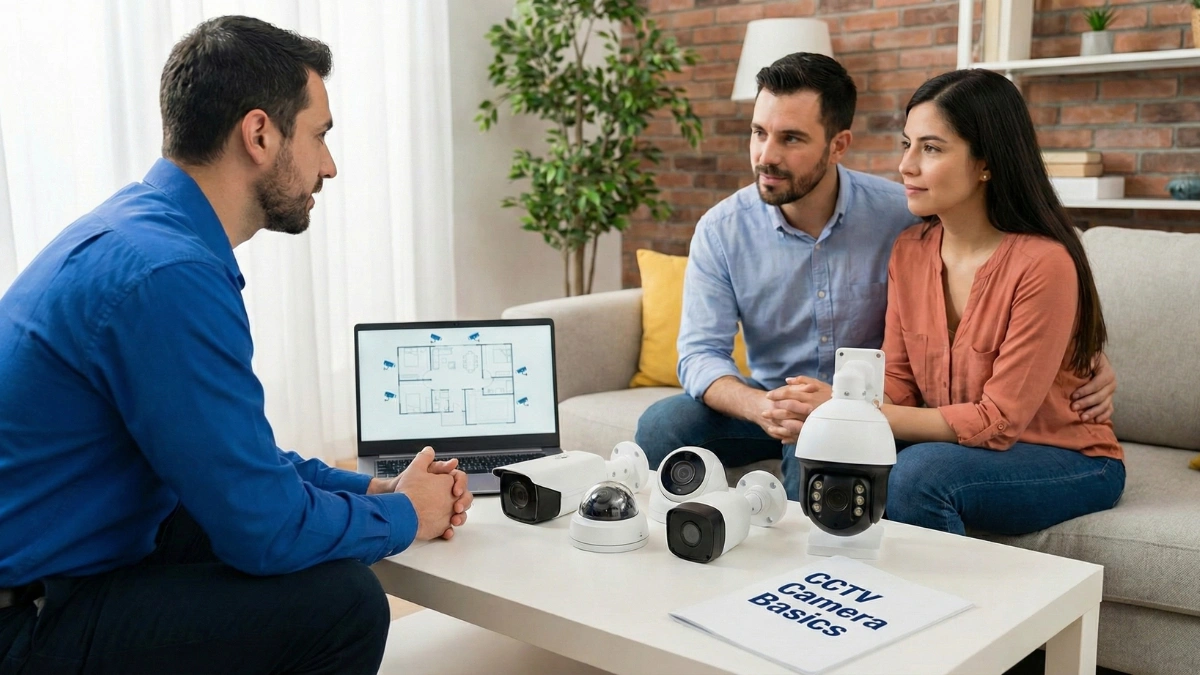
Choosing a CCTV system is no longer just about placing a camera on the wall. Modern security setups combine camera type, resolution, recording method and smart features to deliver reliable protection for homes and businesses. In Australia, selecting the right system from the start prevents blind spots, false confidence and costly rework.
This guide covers CCTV camera basics, explains how to choose the right security system for your property, and helps buyers make informed decisions based on real-world use rather than marketing claims.
Why CCTV Systems Matter for Property Security
CCTV systems deter crime, provide evidence when incidents occur and offer peace of mind whether you are at home or away. Well-designed systems reduce response time and help identify events accurately, while poorly planned systems often miss critical details.
Professional installers treat CCTV as a complete system, not just a camera purchase.
Understanding the Main Types of CCTV Cameras
Different environments require different camera types. Dome cameras are discreet and resistant to tampering, making them ideal for indoor and sheltered outdoor areas. Bullet cameras are more visible and effective for long-distance outdoor monitoring. Turret cameras combine visibility with flexible adjustment and are commonly used in modern installations.
Choosing the correct form factor ensures the camera performs well in its intended location.
Wired vs Wireless CCTV Systems
Wired CCTV systems use physical cables for power and data, offering stable performance and consistent recording. Wireless systems rely on Wi-Fi for data transmission and are easier to install but depend heavily on network quality.
For permanent installations, wired systems are generally more reliable. Wireless systems suit renters or smaller properties where cabling is not practical.
Resolution and Image Quality Explained
Camera resolution determines how much detail is captured. Higher resolution allows clearer identification of faces, vehicles and objects, especially when footage is zoomed.
For most Australian homes, 4MP to 8MP cameras provide an excellent balance of clarity and storage efficiency. Lower resolutions may miss important details, particularly at night.
Night Vision and Low-Light Performance
Security incidents often occur after dark. Infrared night vision allows cameras to record in complete darkness, while colour night vision uses ambient light for clearer images.
Choosing cameras with strong low-light performance significantly improves effectiveness.
CCTV Recording Options Compared
| Recording Type | How It Works | Best For | Limitation |
|---|---|---|---|
| DVR | Records analogue cameras | Basic systems | Lower resolution |
| NVR | Records IP cameras | Modern systems | Requires network setup |
| Cloud storage | Online recording | Remote access | Ongoing costs |
Understanding recording methods helps choose a system that matches both budget and security needs.
Storage and Retention Considerations
Storage capacity determines how long footage is kept. Higher resolution and more cameras require larger hard drives. Many systems allow retention settings to balance storage use with recording duration.
Professionals plan storage based on camera count, resolution and legal requirements.
Smart Features in Modern CCTV Systems
Motion detection, mobile app access and alerts have become standard features. Advanced systems offer human detection, vehicle detection and integration with alarms or smart home platforms.
These features improve usability and reduce false alerts when configured correctly.
Common CCTV Mistakes Property Owners Make
Installing too few cameras creates blind spots. Placing cameras too high reduces identification. Choosing low resolution limits usefulness. Ignoring lighting conditions reduces night performance.
Installer experience plays a major role in avoiding these mistakes.
Choosing the Right CCTV System for Your Property
Homes typically benefit from 4 to 8 camera systems covering entry points and outdoor areas. Small businesses often require wider coverage and higher retention. Larger properties may need structured cabling and centralised recording.
Matching system size and capability to property type ensures effective coverage.
CCTV Systems in Australian Conditions
Australian environments include heat, dust and variable lighting. Cameras rated for outdoor use, proper housing and correct installation angles are essential for long-term reliability.
Choosing CCTV cameras designed for Australian conditions improves lifespan and performance.
Final Thoughts
A good CCTV system is built on proper planning, correct camera selection and realistic expectations. Understanding camera types, resolution, recording methods and smart features helps property owners choose systems that truly protect rather than just appear to.
Investing in the right CCTV setup delivers security, confidence and long-term value.
Frequently Asked Questions
How many CCTV cameras do I need for a home?
Most homes require between four and eight cameras to cover entry points and outdoor areas.
Are wired CCTV systems better than wireless?
Wired systems are generally more stable and reliable for permanent installations.
What camera resolution is best for home security?
4MP to 8MP cameras provide clear detail without excessive storage use.
Do CCTV cameras work at night?
Yes. Most cameras include infrared or low-light night vision features.
Is professional installation necessary?
Professional installation ensures correct placement, coverage and system reliability.